
- September 10, 2026
- Posted by: webmaster
- Category: Blog
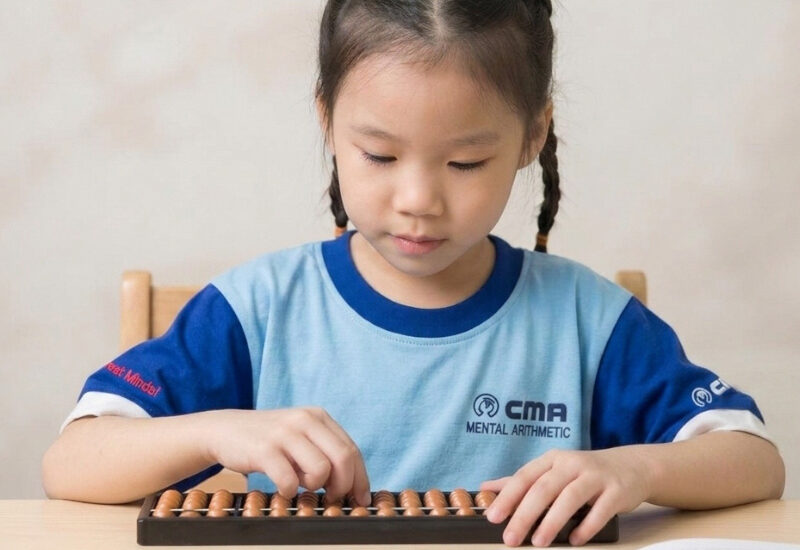
Parents in Singapore often enrol their children in enrichment classes with academic goals in mind. Better numeracy, stronger literacy, faster calculation. But many parents begin to notice something else developing alongside the subject skills: their child becomes more focused, more willing to try difficult tasks, and noticeably more confident in how they carry themselves both in and out of class.
This is not a coincidence. The right enrichment class in Singapore is designed to develop the whole child, not just a specific skill set. Focus and confidence are not side effects of enrichment. For well-structured programmes, they are core outcomes built into how the learning is delivered.
Does Structured Learning Actually Build Focus in Children?
Focus, or the ability to sustain attention on a task over a meaningful period of time, is not a fixed trait that children either have or do not have. It is a cognitive skill that responds to training, and the quality of that training matters significantly.
Enrichment classes that involve progressive levels of challenge, where children must concentrate for increasingly longer periods to complete a task accurately, are particularly effective at building sustained attention over time. Each session acts as a form of mental exercise. Just as physical training builds endurance gradually through repeated effort, structured cognitive engagement builds attention capacity through consistent, demanding practice.
This is especially true of programmes like abacus mental arithmetic, where children must simultaneously track numerical information, recall formulae, apply a method, and produce an accurate result within each session. The mental effort required is genuine, and it grows progressively as children advance through levels. Over months of regular attendance, this kind of structured engagement builds the sustained focus that transfers directly into how a child approaches school lessons, homework, and tasks that require concentration at home.
Why Does an Enrichment Class Build Confidence?
Confidence in children is built through a specific combination of factors: being appropriately challenged, making visible progress, receiving recognition for effort, and experiencing success in a supportive environment. A well-designed enrichment class in Singapore creates all of these conditions consistently.
When a child completes a level, masters a new technique, or correctly solves a problem they previously could not, they experience a concrete moment of achievement. Repeated over time, these moments build a genuine sense of capability. The child begins to associate effort with progress, and progress with the ability to tackle harder challenges. This internal shift, from “I am not sure I can do this” to “I can figure this out if I try,” is what parents describe when they notice their child becoming more confident.
The social environment of an enrichment class also contributes. Being part of a group of peers working toward similar goals, and doing so in a setting where the trainer supports and encourages rather than simply grades, creates a sense of belonging and positive association with learning. Children who enjoy their enrichment class and feel safe making mistakes within it tend to carry that openness into other learning environments as well.
How Does Improved Focus Translate Beyond the Classroom?
One of the most common observations parents share is that improvements in focus from enrichment class begin showing up in areas they did not expect. A child who has been developing sustained attention through structured sessions may start completing homework with fewer interruptions, following classroom instructions more carefully, or staying on task during activities at home for noticeably longer than before.
This is what developmental researchers refer to as transfer, where a skill developed in one context begins appearing reliably in others because it has been sufficiently internalised. For cognitive skills training to produce real transfer, the training needs to be consistent, progressive, and demanding enough to genuinely stretch the child’s current capacity. Passive or overly repetitive activities do not produce the same effect because they do not require sustained mental effort in the same way.
What Role Does the Trainer Play?
The quality of the trainer within an enrichment class in Singapore is one of the most significant factors in whether focus and confidence actually develop. A trainer who recognises and acknowledges each child’s individual progress, adjusts the pace to suit the child’s current level, and creates a positive and encouraging classroom dynamic makes a meaningful difference to how a child experiences and internalises their growth.
This is part of why small class sizes matter. In a class where the trainer can observe each child individually, spot when a child is ready to advance, and provide timely encouragement when a child is struggling, the conditions for genuine confidence-building are in place. A child who feels seen and supported in their learning environment is far more likely to persist through challenges and develop real self-belief over time.
At CMA Singapore, class sizes in the Kindy Programme are capped at a maximum of 8 students, ensuring every child receives the individual attention that makes this kind of growth possible. Across all programmes, ability-based progression means children advance when they are ready rather than being pushed through a fixed timeline, which keeps challenge levels appropriate and confidence-building moments consistent.
How Long Before Parents See Results?
Focus and confidence are not outcomes that appear after two or three sessions. They develop gradually through consistent attendance and practice over months. Most parents begin noticing meaningful changes within three to six months of regular weekly classes, with the shifts becoming more pronounced and stable the longer a child continues.
Parents who track their child’s behaviour at home, including how they approach homework, how they handle frustration, and how they talk about learning, tend to spot the early signs before they show up in formal assessments. These quieter, everyday indicators are often the most reliable evidence that an enrichment class in Singapore is genuinely delivering on its promise.
Final Thoughts
A quality enrichment class in Singapore does not just add knowledge to what a child knows. It builds how a child learns: their capacity to focus, their willingness to persist, and their genuine belief in their own ability to grow.
CMA Singapore has been helping children build these foundations through structured abacus mental arithmetic programmes for children from as young as 3 years old. If you are looking for an enrichment class that develops focus and confidence alongside real cognitive skills, find out more about CMA’s programmes and speak with our team about the right starting point for your child.
Frequently Asked Questions (FAQ)
Q1: How many times a week should my child attend enrichment class in Singapore to improve focus?
Most enrichment programmes in Singapore run once a week, and this frequency is sufficient to build focus progressively when combined with short daily practice at home. Consistency over months matters more than frequency within a single week. A child attending weekly sessions regularly for six months will typically show more meaningful improvement in focus than one attending sporadically across a longer period.
Q2: Do enrichment classes only build confidence in children who are already doing well academically?
No, enrichment classes build confidence most effectively when the programme is well-matched to the child’s current level rather than their academic ranking. Ability-based programmes that allow children to experience real progress from their own starting point, rather than comparing them to peers, are particularly effective at building genuine confidence in children across all ability levels including those who find school challenging.
Q3: How do I choose an enrichment class in Singapore that specifically builds focus and confidence?
Look for programmes with small class sizes that allow individual trainer attention, clear level progression so children can see their own advancement, and an encouraging rather than purely competitive classroom environment. A trial class is a useful first step since it allows you to observe whether your child feels comfortable and appropriately challenged in that specific setting before committing to regular enrolment.
Q4: Can enrichment classes help a shy or introverted child build confidence in Singapore?
Yes, and enrichment classes can be particularly beneficial for shy children because the structured, skill-based environment gives them concrete achievements to feel proud of rather than requiring them to perform socially. Progress through levels, accuracy improvements, and trainer recognition of effort all contribute to confidence that builds from within rather than depending on social performance or peer comparison.
Q5: My child attends enrichment class regularly but still seems distracted and lacks confidence at home. Why?
Focus and confidence developed through enrichment class take time to transfer into everyday home behaviour, typically three to six months of consistent attendance before the shift becomes clearly visible outside class. Home environment factors such as screen time, sleep quality, and the overall atmosphere around learning also influence how these skills show up outside the classroom. Discussing your observations with the trainer can help identify whether a programme adjustment is needed.