
- August 7, 2026
- Posted by: webmaster
- Category: Blog
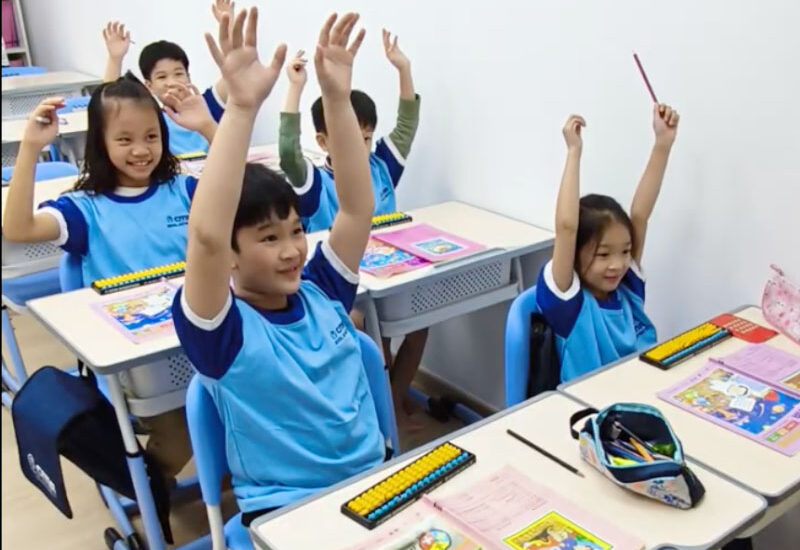
Enrolling your child in an enrichment class in Singapore is an investment of both time and money. Most parents commit with good intentions, but after a few months it is natural to wonder whether the sessions are genuinely making a difference or whether your child is simply going through the motions.
The truth is that meaningful progress from enrichment does not always look like dramatic academic improvement overnight. It often shows up in quieter, more gradual ways that are easy to miss if you do not know what to look for.
Here are seven concrete signs that an enrichment class is genuinely working for your child.
1. Your Child Looks Forward to Going
Sustained enjoyment is one of the most reliable early indicators that a programme is a good fit. A child who consistently resists attending, complains before every session, or disengages during class is giving you important feedback.
On the other hand, a child who mentions their class positively, talks about what they did, or asks when the next session is, is showing you that the learning environment feels safe, stimulating, and worthwhile to them. Enjoyment at this age is not a soft metric. It directly affects how much a child absorbs and retains.
2. You Notice Growing Confidence
Watch for shifts in how your child approaches challenges, not just inside the classroom but at home and in school. A child who previously avoided difficult tasks but now attempts them with less hesitation is showing a meaningful change in self-belief.
Confidence gained through enrichment is often transferable. A child who learns to persist through increasingly difficult levels in an abacus programme, for example, often begins applying that same persistence to schoolwork or other activities where they previously gave up quickly.
3. Skills Are Showing Up Outside the Class
One of the clearest signs that an enrichment class in Singapore is working is when the skills developed inside the class begin appearing in everyday life without prompting. This is called transfer, and it is the hallmark of genuine learning rather than surface-level performance.
A child who has been building concentration through structured training might stay focused on a task at home for noticeably longer periods. A child developing numerical memory skills might start doing quick mental calculations spontaneously during daily activities. These moments of transfer are worth noting when you see them.
4. Attention and Self-Regulation Have Improved
Many quality enrichment programmes, particularly those focused on cognitive development, are structured around tasks that progressively demand greater mental effort and focus. Over time, children who engage consistently with this kind of training tend to show improvements in how long they can sustain attention and how well they manage their own behaviour during mentally demanding tasks.
If your child’s school teacher or tutor mentions unprompted that the child seems more focused or better able to follow instructions than before, take note. Feedback from a second adult who sees your child in a different context is a particularly credible indicator of real progress.
5. There Are Measurable Progress Markers
A well-designed enrichment class should have a clear structure with identifiable levels or milestones. Your child should be advancing through these over time, even if the pace varies. Ask the centre or trainer what the progression looks like and how your child is tracking against it.
Measurable progress does not have to mean formal examinations. It can include level completions, accuracy improvements, speed benchmarks in mental calculation, or trainer assessments shared with parents. What matters is that progress is visible and communicated, rather than assumed.
6. Positive Peer Dynamics Are Developing
A good enrichment class creates a social environment where children feel comfortable, respected, and mildly motivated by the presence of peers. If your child mentions friends in the class, talks about what others achieved, or shows a healthy sense of friendly competition, the class is functioning well as a learning community.
Peer dynamics matter more than parents sometimes realise. Children often push themselves further in a group setting where they feel a sense of belonging, and the social aspect of attending class regularly builds communication and interpersonal skills alongside the core programme content.
7. The Trainer Communicates Progress to You
A strong enrichment provider does not leave parents guessing. Whether through regular verbal updates, written reports, or structured parent consultations, a good trainer keeps you informed about where your child is progressing and where they may need additional support.
If you have never received any feedback from your child’s enrichment class beyond a fee invoice, that is worth raising with the centre. Parental visibility into a child’s progress is part of what makes enrichment accountable and effective over the long term.
When It Might Be Time to Pause or Switch
Not every enrichment class in Singapore will be the right fit for every child, and recognising this early saves time and reduces frustration. Consider pausing or switching if your child shows consistent distress before sessions over an extended period, if there has been no visible progress or engagement after six months or more of regular attendance, or if the programme pace no longer matches where your child is developmentally.
Switching is not a failure. It is a sensible response to new information about what your child needs.
Final Thoughts
The best enrichment class in Singapore is one that your child grows with, one that builds real skills, keeps them genuinely engaged, and gives you as a parent clear visibility into their progress over time.
At CMA Singapore, programmes are structured with clearly defined levels and ability-based progression, so both children and parents can see how far they have come and what the next stage looks like. If you are looking for an enrichment class that builds confidence, concentration, and mental arithmetic skills from as young as 3 years old, we invite you to find out more about CMA’s programmes and speak with our team about the right starting point for your child.
Frequently Asked Questions (FAQ)
Q1. What is the best enrichment class for kids in Singapore?
There is no single best enrichment class in Singapore as the right choice depends on your child’s age, developmental needs, and learning goals. Programmes like CMA Singapore for abacus and cognitive development, Kumon for subject mastery, and MindChamps for mindset and literacy each serve different purposes. Evaluate based on your child’s specific needs rather than popularity alone.
Q2. What enrichment classes should my child take in Singapore?
The most suitable enrichment classes depend on your child’s current stage and what you want to develop. For cognitive foundations like attention and memory, abacus mental arithmetic is a strong option from as young as 3 years old. For subject-specific support, literacy or numeracy programmes work well alongside cognitive enrichment. Starting with one programme and observing your child’s response is a practical approach.
Q3. How do I choose an enrichment centre in Singapore for my child?
Look for a centre with a structured curriculum, clear level progression, small class sizes, and trainers who communicate progress regularly to parents. Trial classes are a useful first step as they allow your child to experience the environment before committing. Checking the centre’s track record, student outcomes, and parent reviews also helps narrow down a reliable choice.
Q4. My child performs well during enrichment class but I see no change at home or in school. Why?
Skill transfer from a structured setting to everyday life takes time and usually requires the skill to be sufficiently internalised through consistent practice. It is also worth checking whether the home environment provides opportunities for the skill to appear naturally. Discussing this pattern with the trainer can help identify whether the pace or approach needs adjusting.
Q5. What if my child is progressing in enrichment class but their school results have not improved?
Enrichment classes, particularly those focused on cognitive development, are not designed as direct exam preparation tools. Their benefits often show up as improved learning capacity, concentration, and confidence rather than immediate grade changes. School results are influenced by many factors, and cognitive enrichment tends to support academic performance gradually over a longer period.